How to Navigate Elevator Compliance in Multi-State Operations: A Strategic Guide for Property Managers and Portfolio Operators
Managing elevators across multiple states presents unique challenges that require strategic planning and expert knowledge. When operating in multiple states, businesses must deal with different regulations, inspection schedules and compliance requirements. These can vary a lot from one state to another. Each state has its own elevator codes, which are often based on ASME A17.1 standards but include local changes. These local differences can impact maintenance procedures and safety documentation.
The complexity of multi-state compliance increases exponentially with portfolio size and geographic spread. Regulatory changes occur frequently and what passes inspection in one state may not meet requirements in another. Managing compliance is very important when working in different climate zones. In northern states, the harsh freeze-thaw cycles can put a lot of stress on elevator parts. In southern regions, the extreme heat and humidity can speed up the breakdown of materials.
Good compliance management simplifies what can be a complicated administrative task. We know that running elevator operations in multiple states requires clear strategies that consider local differences, weather conditions and changing safety rules. This guide explains how to stay compliant with your properties. It highlights the importance of minimizing disruptions to operations and keeping passengers safe.
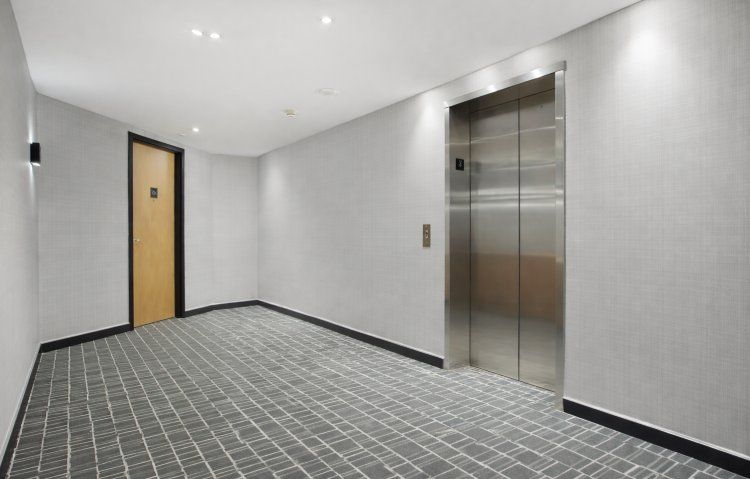
Why Multi-State Elevator Compliance Is Critical: Ensuring Safety, Legal Adherence and Operational Consistency Across Jurisdictions
Managing elevators across multiple U.S. states introduces regulatory complexity. Each state has its own rules for inspections, how to coordinate with the Authority Having Jurisdiction (AHJ) and documentation standards. Knowing how to meet the requirements in different states keeps people safe, helps avoid fines and makes operations run better.
Legal Protection Through Comprehensive Elevator Compliance Consulting
Compliance consulting makes sure that elevators follow all the rules set by federal, state and local governments.
- Regulatory expertise: Knowledge of ASME A17.1 and state-specific amendments
- AHJ coordination: Liaison with Authorities Having Jurisdiction to prevent approval delays
- Inspection oversight: Accurate elevator inspection documentation management
- Lifecycle planning: Strategic planning from installation to modernization
- Risk mitigation: Implementation of elevator safety compliance audits to prevent failures
These measures safeguard your properties from fines, legal liabilities and operational disruptions, while maintaining tenant and employee safety.
Operational Efficiency With Centralized Multi-State Management
Elevator compliance consulting helps ensure that all locations operate consistently. It makes inspections, reporting and maintenance simpler and more organized.
- Reduced downtime: Coordinated inspections and preventative maintenance
- Consistent safety standards: Across residential, commercial and industrial properties
- Portfolio management: Centralized oversight of multi-location elevator assets
- Documentation control: Audit-ready reporting and compliance tracking
- Strategic modernization planning: Upgrades aligned with current code requirements
This method makes elevators operate better and reduces the amount of administrative work needed.
Risk Mitigation and Industry-Specific Compliance Strategies
Elevators in healthcare, commercial and industrial buildings need specific compliance plans to ensure safety and proper operation.
- Healthcare systems: Continuous monitoring, patient-safe inspections, and audit-ready compliance
- Commercial real estate: Tenant protection, insurance alignment and modernization planning
- Industrial applications: Load-specific inspections, emergency system checks and facility integration
- Outsourced services: Reduced administrative burden and standardized compliance across all sites
- Long-term planning: Lifecycle and modernization compliance strategies
Working with experts reduces risks, improves safety and helps you meet industry standards.
Elevator Compliance Code Services Across Multiple States: Centralized Oversight for National Portfolios
To follow elevator regulations in different states, plan ahead. Get help from professionals to ensure you meet the rules. A clear plan helps property owners manage inspections, approvals .
Key Components of Multi-State Elevator Compliance
Successful compliance strategies include
- State code analysis: Monitoring variations in inspection schedules and requirements
- Centralized compliance planning: Consistent procedures across all locations
- Documentation management: Audit-ready inspection records
- AHJ coordination: Smooth approvals with local authorities
- Modernization planning: Upgrades aligned with current safety and code standards
This helps national operators follow rules, makes it easier to report information, and improves safety at all locations.
Industrial and High-Load Elevator Compliance Management
Industrial elevators require specialized inspections and operational oversight.
- Load-specific evaluations: Ensure safe transport of equipment and materials
- Emergency safety system checks: Immediate action protocols for malfunctions
- Facility-wide integration: Align elevator compliance with overall workplace safety
- Centralized reporting: Track inspections and maintenance across multiple industrial sites
- Lifecycle planning: Long-term adherence to modernization and compliance standards
Industrial operators gain confidence knowing elevators meet rigorous safety and regulatory requirements.
Frequently Asked Questions
Managing elevator compliance in different states can be tough. Property owners need to know the specific rules and plan carefully. They must keep track of inspection dates and follow various regulations. It is also important to work with several local authorities.
What steps are involved in effectively managing elevator compliance across multiple states?
To manage elevator compliance across different states, we need a clear approach. First, we analyze the codes for each state. We create a list of specific requirements for every state where elevators operate. This includes how often inspections should occur, maintenance standards and what documentation is needed.
The next step is to create compliance calendars that reflect different state inspection schedules. Some states need annual inspections, while others require inspections every six months or quarterly. This depends on the type of elevator and how it is used.
Standardizing documentation is important for working in different regions. We created a central system to manage records. This system collects inspection reports, maintenance logs, and compliance certificates for each location. Now, we can easily find the documents we need for inspections or audits.
How can coordination with Authorities Having Jurisdiction (AHJs) impact multi-state elevator operations?
Working with local authorities (AHJs) is essential for smooth elevator operations and staying compliant in different states. Each area has its own rules, inspection steps and approval processes that directly affect how elevators run.
Direct communication with local authorities in each state speeds up the approval process for new elevator installations, upgrades and repairs. Working together helps prevent delays that can stop elevators from working and disrupt how buildings operate.
Different AHJs may interpret identical codes differently, creating compliance challenges for multi-state operators. Regular communication helps clarify expectations and ensures consistent compliance approaches across all jurisdictions.
What are the benefits of utilizing elevator compliance consulting services for a multi-location portfolio?
Elevator compliance consulting helps you meet regulations while reducing paperwork. Their experts ensure you follow all necessary rules without adding to your workload. Consultants maintain current knowledge of evolving codes across multiple states, eliminating the need for internal teams to track constant regulatory changes.
Reducing costs is a major benefit of managing compliance proactively. Consultants find potential problems before they lead to expensive violations or shutdowns. This approach prevents emergency repairs and reduces liability exposure across the entire portfolio.
Streamlined reporting has clear benefits. Compliance consultants create standard documentation and reporting systems that meet the requirements in all areas. This approach also helps reduce the workload for internal staff.
How often are elevator inspections required and how does this frequency vary between states?
Inspection frequency varies widely among states. Most states require safety inspections at least once a year. However, some states require more frequent inspections based on the type of elevator, the building's occupancy or how the elevator is used.
High-traffic elevators in healthcare facilities or commercial buildings may require quarterly or semi-annual inspections in some jurisdictions. Industrial elevators often face more stringent inspection schedules due to harsh operating conditions and safety considerations.
New installations need to have an initial state inspection before they start operating. After that, they will follow a regular inspection schedule. If elevators have been modernized, they may require special inspections to check that they meet current codes and safety standards.
What specialized compliance considerations exist for different industries, such as healthcare or industrial facilities?
Healthcare facilities must follow strict safety rules to transport patients safely and protect their lives. They need backup power and must allow fire services easy access. It is also important for their equipment to work well with specialized medical devices. These rules create extra requirements on top of regular elevator codes.
Industrial facilities face specific challenges, including harsh environments, heavy use, and special safety needs. As a result, these elevators need more frequent inspections and better maintenance to operate safely under tough conditions.
Buildings with elevators have specific rules to follow, especially regarding accessibility and emergency communication systems. Multi-family properties need to make life easier for tenants while also ensuring safety and keeping maintenance costs in check.
In what ways can outsourcing elevator compliance management reduce risks and improve operational efficiency?
Hiring compliance experts helps property owners reduce liability risks. These specialists have insurance and the skills needed to prevent safety violations and the legal problems that can follow. Property owners can focus on their business, without worrying about legal problems.
Operational efficiency improves through coordinated scheduling that minimizes building disruptions while ensuring compliance across all locations. Professional compliance managers coordinate inspections, maintenance and repairs to reduce elevator downtime and tenant inconvenience.
Outsourcing helps manage costs by providing fixed compliance expenses instead of variable internal costs. This makes budgeting easier and ensures consistent compliance quality for all elevators.
Final Thoughts
Understanding elevator compliance in different states can be confusing. It often feels like trying to read a complicated manual with difficult language. With professional guidance, a structured elevator compliance strategy and ongoing support from experts in elevator inspection compliance consulting, regulatory reporting services and elevator lifecycle compliance planning, your properties remain safe, compliant and efficient.
Don’t wait for a surprise visit—schedule your multi-state elevator compliance consultation today and elevate your operations to new heights.
Ready to work with Mountain Cross Consulting?
Let's connect! We’re here to help.
Send us a message and we’ll be in touch.
Or give us a call today at 224-500-0321
Agency Contact Form
More Marketing Tips, Tricks & Tools
Blog