
Services
ASCENDING CAR OVERSPEED PROTECTION

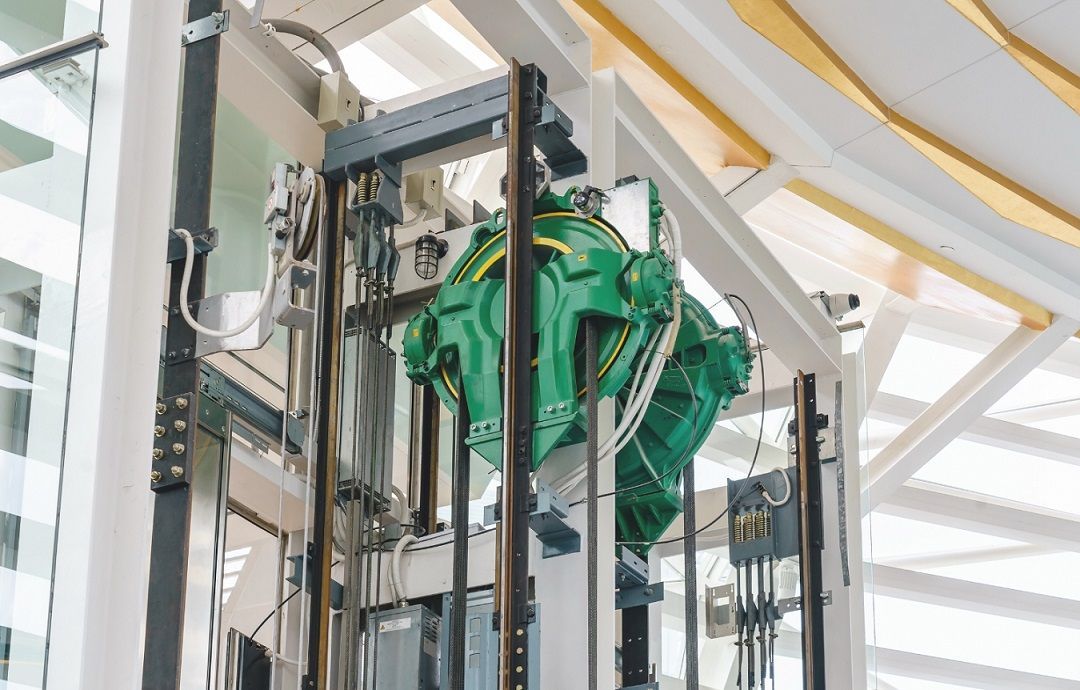

Whether you are a business owner, architect, or project manager, we are here to assist you. Elevate your inquiry by filling out the form below. Provide us with some initial details about your project, and we'll get back to you promptly with a customized elevator solution.
Ascending Car Overspeed Protection: Essential Safety Systems For Modern Elevators
Ascending Car Overspeed Protection (ACOP) is an important safety system in modern elevators. It helps prevent elevator cars from moving too quickly when they go up, which keeps people safe. This specialized device automatically detects when an elevator exceeds its maximum safe ascending speed and activates emergency brakes to prevent potential collisions with the building's overhead structure.
Elevator safety systems are important for protecting passenger lives, even though they might seem complicated. ACOP works alongside other safety mechanisms like the Unintended Car Movement Protection to create a comprehensive safety network that monitors and controls elevator movement at all times.
The integration of ACOP has become standard in traction elevators worldwide, especially after the introduction of stringent safety regulations. We specialize in implementing these vital safety systems in Evergreen, CO, where the varying elevation and building heights make reliable overspeed protection particularly important for local structures.
Role of Detection Mechanisms and Sensors
Speed monitoring sensors continuously track elevator car movement through electromagnetic and mechanical means. These sensors measure real-time velocity and acceleration data multiple times per second.
Our systems have primary and backup sensors for better reliability.
- Magnetic encoders for precise speed detection
- Position sensors to track car location
- Acceleration sensors to monitor movement patterns
- Load sensors to assess car weight distribution
The detection system maintains constant communication with the main control unit through dedicated safety circuits.
Overspeed Control Units and System Responsiveness
The control unit checks sensor data and quickly activates protective measures when it detects overspeed. Modern microprocessor controls can respond in less than 50 milliseconds.
We use dual-processor systems with separate monitoring channels. This setup provides protection even if one channel fails.
- Compares actual speed against programmed limits
- Evaluates acceleration patterns
- Monitors brake system status
- Records performance data for maintenance
Reliable Braking Technologies
Multi-stage braking systems respond in stages based on how severe the overspeed is. First, the primary electromagnetic brakes activate. If needed, the mechanical safety gear will engage next.
- Dual electric brake systems
- Mechanical safety gears
- Emergency stop mechanisms
- Progressive deceleration controls
The braking force automatically adjusts based on car load and speed to prevent passenger discomfort while ensuring safe stops.
Integration with Unintended Car Movement Protection
We combine protection against overspeed and unintended movement into one safety system. This system fully protects against both upward overspeed and uncontrolled movement.
The system uses shared sensors and control parts while keeping the activation mechanisms separate.
- Common detection components
- Coordinated brake activation
- Unified monitoring systems
- Synchronized safety responses
This integrated approach enhances reliability while reducing system complexity and maintenance requirements.
Ensuring Safety and Regulatory Compliance
Reliable overspeed protection systems for ascending cars depend on strict safety measures and compliance with regulations. Our team implements multiple protective layers to ensure industry standards are met.
Meeting Local and National Safety Codes
We follow the ASME A17.1/CSA B44 safety Code for elevator systems. Our protection systems provide two key safety features: they prevent the elevator from moving too fast when going up and stop any unintended movements.
These integrated safety features utilize advanced sensors and control mechanisms to detect any movement exceeding safe speed thresholds during ascent.
We use dual protection systems to monitor door locks and movement patterns, helping to prevent hazards. Our solutions meet all local building codes and national safety standards.
Importance of Routine Maintenance and Inspection
Regular maintenance checks ensure optimal performance of all safety components, including speed governors, rope grippers and braking systems.
Our certified technicians conduct thorough inspections of sensor calibration, control system responses, and mechanical linkages quarterly.
We maintain detailed maintenance logs and testing documentation to track system performance and compliance history.
Preventive maintenance helps catch problems early, before they create safety risks. This process reduces the chances of parts failing, which could lead to overspeed situations.
Customizable Solutions for Diverse Building Types
We assess each building's specific requirements to design appropriate safety systems. Factors include traffic patterns, building height and elevator usage intensity.
Our solutions adapt to various architectural configurations, from low-rise residential buildings to high-speed commercial elevators.
We install specialized rope brake systems and double-action safety gear mechanisms based on individual building specifications.
The protection systems seamlessly integrate with existing elevator control architecture while maintaining independent safety circuit monitoring.
Frequently Asked Questions
Many people want to know about ascending car overspeed protection systems. They are interested in the technical details, safety standards and how these systems work with current elevators. Our expert team is here to help you understand these important aspects of elevator safety technology.
What precisely is included in an ascending car overspeed protection system?
A standard ascending car overspeed protection system contains speed monitoring sensors, emergency brake mechanisms and control units. These components work together to detect and prevent dangerous upward acceleration.
The system uses special rope grippers and mechanical safety features that turn on automatically when it detects unsafe speeds.
Why is integrating overspeed protection with existing systems beneficial?
Integrated overspeed protection systems enhance the overall functionality of elevator control networks. They communicate directly with existing safety features to provide comprehensive protection.
The integration allows for faster response times and more accurate speed monitoring through synchronized operation with other elevator components.
What innovations does Mountain Cross Consulting offer in its overspeed protection systems?
We use digital monitoring systems that track speed in real time and allow for quick emergency responses. Our technology includes predictive maintenance features that identify potential issues before they become safety risks.
Smart sensors in our systems offer improved accuracy in speed detection and brake activation timing.
Which components are essential for the reliable functioning of overspeed protection?
Important parts include speed governors, emergency brakes, and control units. Each part is tested thoroughly to ensure it works reliably.
The system requires properly calibrated sensors and dedicated power supplies for fail-safe operation.
How does the presence of an overspeed protection system enhance elevator safety?
An overspeed protection system stops elevators if they go too fast, preventing serious accidents. This system activates within milliseconds when it detects dangerous acceleration.
These protections significantly reduce the risk of elevator-related injuries and equipment damage.