How Elevator Downtime Impacts Property Value and Tenant Retention in Commercial Buildings
Elevator downtime directly affects tenant satisfaction and property value in commercial buildings. When elevators break down often, tenants lose trust in building management. This leads to fewer lease renewals and lower occupancy rates. Buildings with unreliable elevators usually have higher vacancy rates, lower rents and lower resale value compared to those with well-maintained elevators.
Property owners and managers often overlook how elevator reliability affects a building's reputation. A long outage in a busy commercial space can upset tenants and lead to complaints. Keeping elevators working properly is essential for a good tenant experience.
We cover the operational and financial consequences of elevator downtime for building owners, and we address the most common questions about how elevator reliability connects to tenant retention and long-term property value.
Commercial and Industrial Elevator Downtime Solutions for Property Owners
Reliable elevator systems are crucial for building performance. They help ensure operations run smoothly, keep tenants happy and maintain property value in commercial and industrial buildings across the U.S. real estate market.
Elevator Consulting Services Improve Building Reliability and Operational Efficiency
Commercial properties experience constant vertical transportation demands every day. Elevator consulting services help property managers, facility operators and real estate investors identify operational weaknesses before costly failures occur. Elevator system reliability analysis improves equipment performance while reducing service interruptions and tenant complaints. Independent elevator consultants evaluate system conditions, maintenance quality, modernization requirements and operational efficiency to create long-term improvement strategies.
Commercial elevator consulting supports
- Elevator operational audits
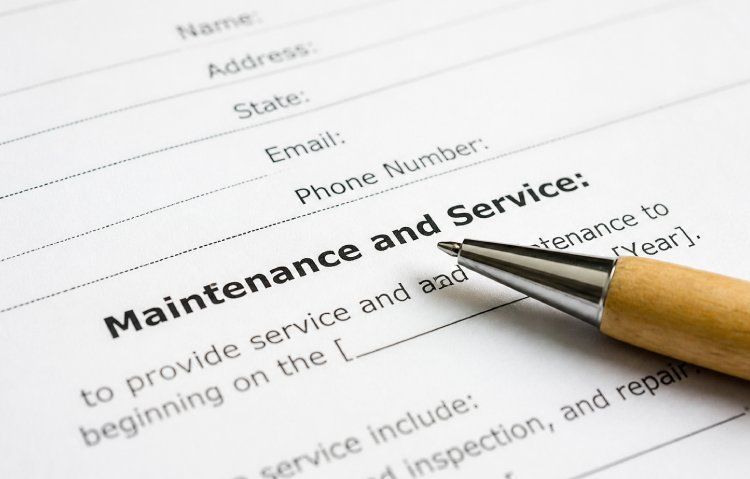
- Elevator maintenance contract reviews
- Elevator downtime prevention consulting
- Elevator modernization assessments
- Elevator performance analysis for property managers
- Elevator maintenance oversight services
- Elevator lifecycle consulting
- Elevator traffic analysis consulting
Reliable elevator systems make buildings easier to access, reduce risks for owners, build trust with tenants and help maintain property value over time. When building owners invest in these systems, they can lower emergency repair costs and keep tenants for longer, which leads to more stable occupancy in competitive commercial markets.
Elevator Downtime Impacts Tenant Retention and Commercial Property Value
Frequent elevator outages cause disruptions that frustrate tenants, employees, residents, and visitors. When elevators are down, property value suffers because tenant satisfaction decreases and the risk of vacancies rises. Buildings like offices, apartments, hospitals and hotels rely on working elevators for daily operations and a good customer experience. If elevators keep failing, tenants may question how well the building is maintained and how responsive management is.
Common elevator downtime consequences include
- Tenant complaints about elevators
- Delayed business operations
- Negative online reviews
- Reduced lease renewals
- Lower occupancy rates
- Increased emergency repair expenses
- Building reputation damage
- Accessibility concerns
Elevator outages can significantly affect tenants, especially during busy times. Consulting services that reduce elevator wait times and improve availability can enhance the tenant experience while minimizing congestion and inefficiencies. Reliable elevators strengthen relationships with tenants and make commercial buildings more competitive.
Elevator Modernization Consulting Enhances Asset Value and Tenant Satisfaction
Old elevator systems often have trouble keeping up with today’s demands. Elevator modernization consulting helps property owners update their elevators, improve safety, and reduce downtime. These planning services focus on long-term performance, efficiency and tenant satisfaction, while also providing a better return on investment for commercial properties.
Modern elevator upgrades commonly include
- Controller modernization
- Door equipment replacement
- Energy-efficient drive systems
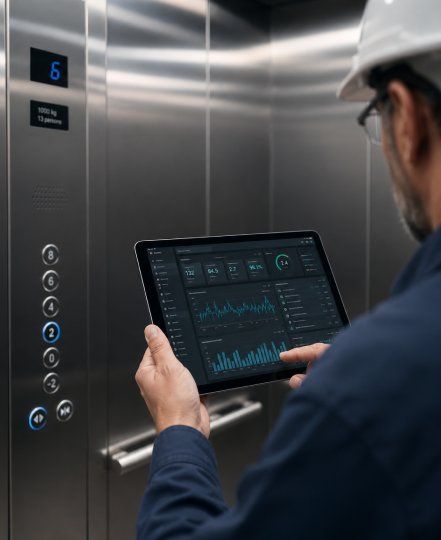
- Smart monitoring technology
- Destination dispatch systems
- Safety equipment upgrades
- Cab interior improvements
- Improved leveling systems
Elevator modernization projects can increase a property's value by improving lease retention, reliability, and its reputation. Consulting on elevator upgrades helps owners choose the best improvements while keeping operations running smoothly. New elevator systems improve the experience for current tenants. They also make the property more appealing to potential tenants and investors.
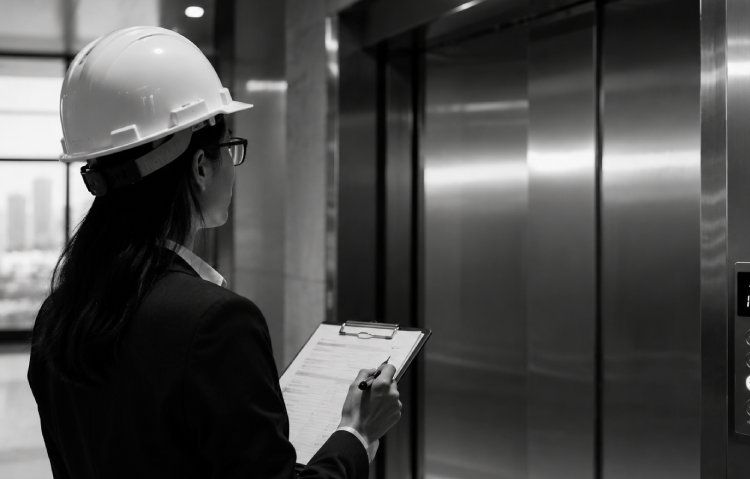
Elevator Maintenance and Operational Consulting for Long-Term Performance
Regular maintenance and management help prevent elevator failures. These actions improve building efficiency, increase tenant satisfaction and ensure reliable service in commercial and industrial properties across the country.
Elevator Maintenance Consulting Reduces Downtime and Emergency Repair Costs
Reactive maintenance raises repair costs and causes disruptions. Elevator maintenance consulting focuses on regular inspections and service planning to prevent emergency shutdowns. Audits find hidden issues before they lead to expensive breakdowns. This approach gives building owners more reliable elevators, fewer repairs and a better experience for tenants.
Professional maintenance consulting services include
- Elevator inspection consulting
- Elevator equipment evaluations
- Elevator maintenance performance reviews
- Elevator downtime risk assessments
- Elevator operational consulting services
- Elevator service quality assessments
Proactive maintenance programs extend equipment lifespan while supporting operational consistency. Commercial properties with reliable elevator systems often experience stronger tenant retention and improved long-term asset performance.
Elevator Consulting for Commercial, Multifamily, Industrial, and Mixed-Use Properties
Elevator consulting strategies should be tailored to different types of properties, such as office buildings, multifamily homes, hospitals and industrial facilities. The main goals are to improve efficiency and reduce the risk of downtime.
Property owners frequently require
- Elevator consultant for commercial properties
- Elevator consultant for mixed-use buildings
- Elevator consultant for facility managers
- Elevator consultant for real estate investors
- Elevator repair and modernization consulting
- Vertical transportation consulting services
Improving commercial elevator systems helps passengers move more smoothly, boosts equipment performance and increases tenant satisfaction. Consulting on elevator infrastructure supports ongoing stability and protects the value and reputation of the property.
Frequently Asked Questions
Elevator downtime in commercial and multifamily buildings raises important issues about maintenance, upgrades, financial risks and planning operations. By understanding the specific causes and effects, property owners and facility managers can make better decisions about their elevator systems.
What are the most common causes of recurring elevator outages in commercial and multifamily buildings?
Aging components are among the most frequent contributors to recurring outages. Controllers, door operators and hydraulic systems that exceed their service life become increasingly unreliable and difficult to source parts for.
Deferred maintenance is a serious problem. When we skip or delay regular inspections and lubrication, small mechanical issues can quickly turn into major failures. These failures often lead to longer repair times.
Poor oversight of maintenance contracts leads to problems. Many buildings have agreements lacking clear response times, inspection frequencies or performance benchmarks, allowing issues to go unnoticed for long periods.
How does repeated elevator unreliability influence lease renewals, vacancy rates and building reputation?
When renewing their leases, tenants in commercial office buildings look closely at elevator reliability. If elevators frequently break down, it suggests poor building management and can lead to tenants deciding not to renew their leases. This is especially true in competitive markets where similar buildings have more reliable elevators.
Elevator problems in multifamily buildings can disrupt residents' lives, especially those on higher floors. Negative reviews on rental websites can also deter potential tenants.
Building a good reputation takes time. A property with a record of elevator failures may attract lower-quality tenants, stay vacant longer and see reduced rental rates.
What are the operational and financial consequences of a prolonged elevator outage for tenants and property owners?
A prolonged outage can prevent access to a multi-tenant commercial building, impacting many businesses and leading to decreased productivity and financial losses. These losses may result in lease disputes or requests for reduced rent.
Emergency repair costs for property owners often exceed planned maintenance expenses due to high premiums associated with rush service calls, expedited parts and after-hours labor.
Liability increases when outages disrupt ADA-accessible routes. Elevator failures that block access for individuals with disabilities can lead to legal claims under federal and state regulations.
How can a preventative maintenance program be structured to reduce emergency shutdowns and service interruptions?
A good preventive maintenance program includes regular inspections based on the type of equipment, how much it is used and its age. Buildings that see a lot of foot traffic need more frequent inspections than low-rise buildings that have fewer daily visitors.
The program should document specific tasks for each visit, including door alignment checks, lubrication of moving parts, brake adjustments and controller diagnostics. Vague maintenance agreements that list general services without task-level detail make it difficult to verify whether work was actually completed.
It’s important to include performance benchmarks and callback response time requirements in maintenance contracts. By tracking outage frequency, the time between failures and callback rates over time, building managers can see if a maintenance provider is actually reducing downtime or just reacting to problems as they happen.
When is elevator modernization the most cost-effective option compared with continued repairs and component replacements?
Modernization becomes cost-effective when repair frequency and parts costs consistently exceed what replacement components would cost under a modernized system. Buildings spending significantly on recurring repairs for the same equipment failures are often approaching a tipping point.
Old controllers and relay logic systems create challenges. It is getting harder and more expensive to find replacement parts for systems that are no longer made. At the same time, fewer technicians know how to work with this older equipment.
We assess modernization by looking at the risk of downtime. An old system without manufacturer support can lead to unexpected problems that may be more disruptive and costly than a scheduled modernization project that follows a clear timeline.
What should an independent elevator operational audit evaluate to improve reliability, safety, and traffic flow?
An independent elevator operational audit should evaluate equipment condition across all major systems, including the drive, controller, door mechanisms, cab interior and safety devices. The audit should note component age, maintenance history and any open violations from prior inspections.
Traffic flow analysis is important in maintenance reviews, but it is often ignored. Auditors should focus on three main areas: wait times during peak hours, how elevator capacity compares to occupancy and how well the dispatch system works.
The audit should also review existing maintenance contract terms, call-back response performance records and inspection compliance documentation. We look for gaps between what a maintenance contract promises and what service records show was actually delivered, since those gaps frequently explain persistent reliability problems.
Conclusion
Elevator downtime affects more than convenience; it can lower tenant satisfaction, harm building reputation, and increase operational costs. By investing in elevator consulting, preventative maintenance and modernization planning, commercial property owners can create safer, more reliable buildings. Proactive consulting reduces downtime, improves tenant retention and protects the long-term value of commercial real estate investments.
Ready to Improve Elevator Reliability and Tenant Satisfaction?
Check your elevator system carefully to identify hidden risks before they lead to costly downtime. Prevent disruptions that impact occupancy, lease renewals, tenant satisfaction and property value.
Contact us now to schedule an elevator system assessment.
Ready to work with Mountain Cross Consulting?
Let's connect! We’re here to help.
Send us a message and we’ll be in touch.
Or give us a call today at 224-500-0321
Agency Contact Form
More Marketing Tips, Tricks & Tools
Blog