Elevator Modernization vs. Replacement: How Building Owners Choose the Best Investment Strategy
Choosing between elevator modernization and full replacement directly impacts building performance, tenant satisfaction, compliance and long-term asset value. Modernization upgrades critical components—controllers, motors, doors—while preserving the core system structure. Replacement removes the entire system and installs new equipment designed to meet current codes and performance standards. The right decision depends on system condition, lifecycle stage and operational priorities.
Owners of commercial and industrial properties must evaluate factors such as equipment age, maintenance history, usage intensity and future building plans. In regions with fluctuating climates and heavy usage patterns, wear accelerates faster, making proactive decision-making essential. A miscalculation can lead to escalating repair costs, compliance violations and tenant dissatisfaction.
This service provides data-driven
elevator consulting to guide owners through modernization vs. replacement decisions. By analyzing cost, performance, downtime and lifecycle value, we deliver a clear path that aligns with your budget, compliance requirements and long-term investment strategy.
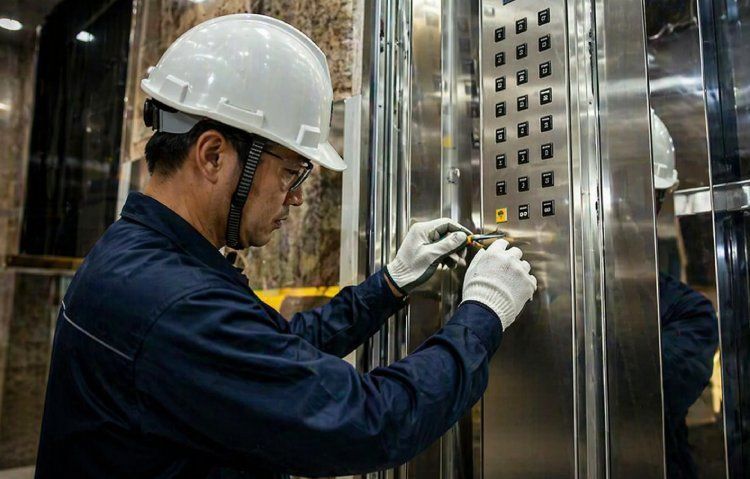
Understanding Elevator Modernization vs Replacement for Commercial Buildings
Selecting the right approach requires evaluating system condition, lifecycle stage, compliance gaps, and operational goals. Owners need to think carefully about costs, downtime, performance improvements and long-term return on investment (ROI) before deciding whether to modernize or completely replace their systems.
Elevator Modernization: Extend Equipment Life Without Full Replacement
Elevator modernization focuses on upgrading critical components while preserving structurally sound infrastructure. This approach improves reliability, safety and efficiency without the capital expense of a complete system overhaul. It works best for aging systems that still maintain structural integrity but require performance enhancements and compliance updates.
Modernization delivers measurable improvements in ride quality, system responsiveness and energy efficiency. This approach reduces downtime compared to fully replacing systems and allows for upgrades to be done in phases. Property owners can offer a better experience for tenants while keeping operations running smoothly.
Key modernization advantages include
- Lower upfront capital investment compared to full replacement
- Faster project timelines with reduced operational disruption
- Improved energy efficiency and system performance
- Enhanced safety through updated compliance features
- Extended equipment lifecycle without structural replacement
Elevator Replacement: Complete System Upgrade for Maximum Performance
Replacing the elevator means removing the old system and installing a new one that meets current safety and accessibility standards. You need to choose this option when the elevator reaches the end of its lifecycle or no longer complies with modern codes. Replacement eliminates recurring maintenance issues and obsolete components.
A new system resets performance expectations entirely, delivering improved speed, capacity and reliability. This ensures that we follow current regulations, which helps reduce liability risks and lowers the chances of inspection failures. While the initial investment is higher, replacing items usually offers better long-term value.
Key replacement benefits include
- Full compliance with current safety codes and ADA requirements
- Significant improvements in speed, capacity and efficiency
- Reduced long-term maintenance and repair costs
- Elimination of obsolete or unavailable components
- Increased property value and tenant satisfaction
How to Decide Between Modernization and Replacement
Making the right decision requires a structured evaluation of system condition, cost trends and future performance expectations. A professional assessment provides clarity by identifying whether upgrades can resolve existing issues or if full replacement is necessary.
Data-driven analysis removes guesswork and makes sure the chosen solutions meet long-term operational goals. Owners who use performance audits and lifecycle assessments achieve better returns on investment (ROI) and experience fewer disruptions.
Key decision factors include
- Age and structural condition of the system
- Frequency of breakdowns and service calls
- Availability of replacement parts
- Compliance with safety and accessibility standards
- Budget constraints and long-term asset strategy
Decision tools include
- Elevator performance audits
- Lifecycle cost analysis
- ROI comparison modeling
- Repair vs replacement consulting
Cost, ROI, and Operational Impact of Elevator Upgrades
Cost alone should never drive your decision. Owners must evaluate lifecycle value, downtime impact and operational efficiency to determine whether modernization or replacement delivers the strongest financial return.
Elevator Modernization vs Replacement Cost and ROI Analysis
A detailed financial analysis reveals the true value of modernization versus replacement. Modernization usually costs less at first. However, replacing old systems can save you more money over time because the new systems work better and need less maintenance.
ROI depends on factors such as energy consumption, service interruptions, tenant retention and compliance risk. Looking at these metrics helps us make sure the investment works for our short-term budgets and meets our long-term goals.
Modernization cost advantages
- Lower initial investment
- Faster ROI realization
- Reduced downtime costs
Replacement cost considerations
- Higher upfront capital expense
- Long-term savings through efficiency gains
- Lower maintenance and repair frequency
ROI evaluation factors include
- Energy savings from upgraded systems
- Reduced service disruptions
- Improved tenant retention
- Compliance risk mitigation
Timeline, Downtime, and Building Operations Impact
Project timelines impact building operations, tenant experience and revenue. Owners can plan better and reduce disruptions by understanding the differences between modernization and replacement timelines.
Modernization projects usually take less time and can be done in phases, allowing some parts of the system to remain operational. Replacement projects, on the other hand, take longer and require a complete shutdown, which needs careful planning.
Modernization timeline benefits
- Shorter project duration
- Phased upgrades for minimal disruption
- Predictable downtime scheduling
Replacement timeline challenges
- Longer installation periods
- Full system shutdown required
- Increased coordination and planning
Operational impact insights
- Modernization enables controlled interruptions
- Replacement involves extended downtime
- High-traffic buildings benefit from minimized disruption strategies
Frequently Asked Questions
To understand modernization and replacement, property owners need clear information about costs, timelines, compliance requirements and performance data. This set of frequently asked questions addresses the main concerns property owners have before making significant elevator investment decisions.
What components are included in elevator modernization upgrades for commercial building systems and performance improvement strategies today?
Elevator modernization focuses on upgrading critical components that directly impact system performance and safety. This includes controllers, motors, door operators and safety mechanisms designed to meet current compliance standards. Each upgrade targets inefficiencies and reliability issues identified during system audits.
Modern systems replace outdated relay-based controls with advanced microprocessor units. These improvements enhance responsiveness, reduce downtime and optimize energy consumption. Door systems and safety edges are also upgraded to meet modern operational requirements.
Owners benefit from improved ride quality, fewer breakdowns and enhanced tenant satisfaction. Modernization ensures systems remain functional, compliant and efficient without requiring a complete structural overhaul.
How can building owners determine whether modernization upgrades are sufficient or full elevator replacement is required instead today?
Determining whether modernization is sufficient depends on structural integrity, component availability and compliance gaps. If the core system remains structurally sound, modernization typically resolves performance and reliability issues effectively.
However, when parts become obsolete or difficult to source, maintenance costs increase significantly. Frequent breakdowns and extended repair times signal deeper system deterioration that modernization may not fully resolve.
When compliance issues span multiple areas, such as safety, accessibility and electrical standards, replacement often becomes necessary. A comprehensive performance audit provides the data required to make an informed decision.
What factors influence cost differences between elevator modernization projects and full system replacements in commercial and industrial properties today?
Costs vary based on the type of system, the height of the building and the scope of the project. Modernization usually means upgrading certain parts of the system. In contrast, replacement involves removing the entire system and installing new equipment.
Making changes to the structure, like adjusting the hoistway or changing the pit, can significantly raise replacement costs. Labor, permits and inspections also add to the total expenses.
Modernization often costs significantly less than replacement but may not resolve all long-term issues. Owners should look at the overall costs of a product over its entire life, not just the initial price, to find the most affordable option.
How do project timelines and expected downtime compare between elevator modernization and complete replacement projects in busy buildings?
Modernization projects generally require shorter timelines and allow phased implementation. This approach minimizes disruption and maintains partial system functionality during upgrades.
Replacement projects take longer due to demolition, fabrication, installation and inspection processes. Full system shutdowns are required, impacting building operations and tenant access.
For single-elevator buildings, downtime planning becomes critical. Scheduling must account for occupancy patterns and accessibility requirements to ensure minimal operational disruption.
When do compliance requirements and safety regulations require full elevator replacement instead of modernization upgrades for existing systems today?
Certain regulatory requirements mandate full system replacement when existing equipment cannot meet current standards. This includes situations where structural limitations prevent compliance with safety or accessibility codes.
Accessibility requirements often drive replacement when cab size, door width or hoistway dimensions cannot be modified. In these cases, modernization alone cannot achieve compliance.
Inspection authorities may require replacement if repair costs go beyond a certain percentage of the system's value. These rules help ensure that safety and performance standards are always met.
What data should building owners review during elevator performance audits before deciding between modernization and replacement investments today?
A comprehensive performance audit provides measurable data to guide decision-making. Key metrics include breakdown frequency, maintenance costs and system reliability over time.
Callback rates show how often repairs happen unexpectedly. High rates can point to ongoing problems that might need replacement. The average time between failures indicates how long the system lasts and how well it performs.
Energy use, availability of parts and inspection records are important to consider. These factors help owners compare lifecycle costs and choose the best investment strategy.
Final Thoughts
Choosing whether to modernize or replace an elevator requires careful thought and expertise. The right choice will improve safety, enhance system performance and protect the property's long-term value.
Owners who invest in professional assessments, lifecycle analysis and ROI modeling achieve better operational outcomes. They reduce downtime, maintain compliance and optimize building efficiency.
Take control of your building’s vertical transportation system.
Schedule a professional elevator assessment today and secure a smarter, more efficient future for your property.
Ready to work with Mountain Cross Consulting?
Let's connect! We’re here to help.
Send us a message and we’ll be in touch.
Or give us a call today at 224-500-0321
Agency Contact Form
More Marketing Tips, Tricks & Tools
Blog